AGP Executive Report
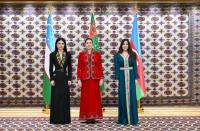
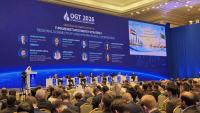
Last update: an hour agoChildren’s Health: A Turkmen delegation joined the World Summit on Children’s Wellbeing in Samarkand on October 21–22, where more than 100 countries discussed children’s healthcare, education, social protection and safety. Digital Healthcare: UNDP and the Ministry of Health are training 60 infectious-disease medical workers in digital tools, including mobile treatment support and AI-assisted X-rays, through a course running until December. Child Rehabilitation: During a visit to Turkmenistan, Azerbaijan’s Heydar Aliyev Foundation vice-president Leyla Aliyeva toured the Children’s Health and Rehabilitation Centre in Arkadag; talks also covered child healthcare and support for families in need. Cancer Awareness: UNFPA and the EU held an Ashgabat event on breast cancer prevention and early detection, offering screening information, self-examination guidance and advice on emotional wellbeing.
Note: AI summary from news headlines; neutral sources weighted more to help reduce bias in the result. Feedback is welcome. Please let us know if you have any comments or suggestions about the AGP Executive Report.
 Perspectify News



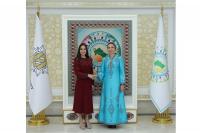
![Ashgabat hosts trilateral meeting between Leyla Aliyeva, Oguljahan Atabayeva and Saida Mirziyoyeva [PHOTOS]](https://2c717466dc25cd7041c9-8eeda6a8ca964cf210ed223dbc947813.ssl.cf2.rackcdn.com/29585368-950926483-ekgktrgtrgoi1-200x131.jpeg)